


10 Authentic Slovenian Experiences You Can’t Miss on Your First Trip
Suppose you’re looking for unique experiences in Slovenia that go beyond guidebooks. In that case, this Slovenia travel guide for beginners will show you the best cultural, culinary, adventure, and off-the-beaten-path gems.
Discover the Heart and Soul of Slovenia. Let’s dive in!
1. Wander Through Ljubljana’s Old Town & Castle
Your journey should begin in Ljubljana, the friendly, green capital. Meander through its cobblestone streets, admire the Baroque architecture, peek at the Dragon Bridge, and ride the funicular up to Ljubljana Castle. This is where cultural experiences in Slovenia come alive: street musicians, outdoor cafés along the Ljubljanica River, art galleries, and farmers’ markets.
Tips:
Go early morning or late afternoon for golden light on photos.
Take a guided walking tour to understand Slovenian culture and traditions.
Sample local food in the Open Kitchen food market (if timing aligns).

2. Hike in the Julian Alps (Triglav National Park)
One of the best activities in Slovenia for first-time visitors is hiking in Triglav National Park. Towering peaks, alpine lakes, and flower-strewn meadows create postcard scenes. Whether you take a day hike to Lake Bohinj or tackle multi-day treks around Mount Triglav, you’ll feel deeply connected to nature.
Why it’s unforgettable:
Immersive travel experiences in Slovenia – nature, quiet, fresh mountain air.
Off-the-beaten-path trails offer solitude and raw landscape.
Don’t miss the sunrise from mountain huts.
3. Discover the Karst Region and Škocjan Caves
Head southwest to the Karst region, where underground rivers have carved out the spectacular Škocjan Caves — a UNESCO World Heritage. The dramatic caverns, underground canyons, and daylight shafts are thrilling. This is caving at its best and one of many authentic Slovenian experiences you’ll remember.
What to know:
Bring sturdy shoes; some passages are damp and uneven.
Combine with wine tasting in nearby Karst vineyards.
The natural architecture here is impressive and provides unique experiences in Slovenia.

4. Taste Traditional Slovenian Food and Wine
No trip is authentic without indulging in traditional Slovenian food and wine. From rustic mountain huts to fine dining in vineyards, Slovenia’s cuisine reflects its mix of Alpine, Mediterranean, Slavic, and Central European influences.
Must-try foods:
Carniolan sausage (kranjska klobasa)
Žlikrofi (dumplings)
Potica (nut roll cake)
Bled cream cake (blejska kremna rezina)
Wine regions:
Vipava Valley – crisp whites, stone-fruit aromas
Goriška Brda – Slovenia’s “Tuscany” with rolling vineyards
Podravje & Prekmurje – lesser known, but rich in tradition
Pairing wine with local cheese, honey, or charcuterie crafts an authentic food experience in Slovenia that lingers long after your flight home.
5. Explore Lake Bled & Lake Bohinj
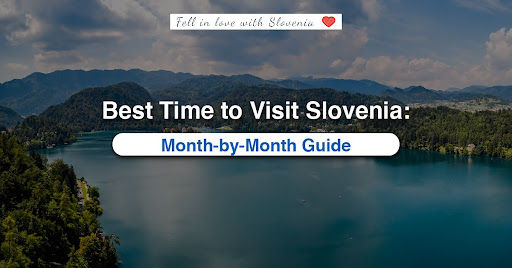
These two lakes are among the most iconic in Slovenia. Lake Bled is famed for its island church, medieval castle perched on a cliff, and the chance to row a “pletna” boat. Lake Bohinj, in contrast, is wilder, quieter, and perfect for swimming, kayaking, or simply winding down.
Best activities:
Row to Bled Island and climb the bell tower.
Hike around the shores of Bohinj.
Ride the cable car up Mount Vogel for panoramic views.
These are among the top things to do in Slovenia for first-time visitors.

6. Experience Local Festivals and Traditions
One of the richest windows into Slovenian culture and traditions is through its festivals. Whether ancient folk events, wine harvests, or contemporary music festivals, they give insight you won’t find on regular tours.
Highlights:
Kurentovanje (in Ptuj) – an epic masked carnival in winter.
St. Martin’s Day – wine festivals celebrating new wine in autumn.
Ljubljana Pride, Ana Desetnica (street theatre), or Gentleman’s Ride – different moods, modern traditions.
Check seasonal calendars and local tourism boards when planning; attending a festival offers immersive travel experiences in Slovenia that you’ll treasure.
7. Visit the Coastal Towns & Mediterranean Slovenia
Slovenia’s small coastline along the Adriatic is charming and often underappreciated. Towns like Piran, Izola, and Koper blend Venetian architecture, seafood, salt pans, and sea views.
What to enjoy:
Sunset from the walls of Piran’s old town.
Fresh seafood and local olive oil.
Day-trip to the Sečovlje Salt Pans or coastal hiking.
For many, experiencing this slice of the Mediterranean in Slovenia feels like stumbling upon a hidden treasure – one of the most satisfying, unique experiences in Slovenia.
8. Taste Alpine Village Life & Mountain Traditions
Venture into Slovenia’s alpine villages, such as those in the Kamnik-Savinja Alps or Soča Valley, to live more slowly and connect with tradition. Here you’ll find farmers making cheese, shepherds, and locals celebrating age-old customs.
Why this matters:
Authenticity – you see how locals live, what they eat, what they value.
Traditional Slovenian food and wine often originate here: alpine cheeses, homemade cured meats.
Folklore, music, dress — these often survive strongest in remote areas.

9. Go Rafting, Caving, or Kayaking
For those who love a burst of adrenaline, Slovenia’s rivers, caves, and rugged terrain are perfect. Adventure activities in Slovenia are accessible even to beginners.
Top adventures:
Rafting on the Soča River – crystal-clear water, emerald hues.
White-water kayaking or canyoning.
Cave exploration beyond Škocjan: Postojna Cave, Predjama Castle Cave.
Ensure you use certified guides, especially for water sports. These activities deliver memorable and immersive travel experiences in Slovenia.
10. Off-The-Beaten-Path Gems: Hidden Villages, Vineyard Trails & Thermal Spas
To round out your trip, seek out places few tourists know.
Suggestions:
Thermal Spa Towns like Rogaska Slatina, Moravske Toplice — for relaxation and wellness.
Vineyard trails in Haloze or Dolenjska — not as famous as Brda, but beautiful and peaceful.
Villages like Kropa, Štanjel, or Solčava — scenic, authentic, untouched.
These are classic off-the-beaten-path Slovenia experiences that reflect the soul of the country.
Practical Tips for First-Time Visitors
Best time to visit: Late spring to early autumn (May-June, September) for good weather, fewer crowds, and festivals. Winter, if you like skiing or Christmas markets.
Transportation: Slovenia is small; renting a car gives freedom, and public transport works well between major points. For off-the-beaten-path villages, a car or local shuttle is ideal.
Accommodation: Stay in boutique guesthouses, mountain huts, and agritourism farms for authentic stays.
Language basics: Slovene is the official language, but many people speak English, German, and Italian. Learning a few phrases (please, thank you, greetings) goes far.
Cultural etiquette: Respect for nature, recycling, quiet hours (especially in rural areas), and dining manners.
Conclusion
Slovenia may be small, but it packs in a huge variety of authentic Slovenian experiences: from medieval towns to alpine heights, seaside sunsets, festivals, flavor, and adventure. For first-time visitors, focusing on things to do in Slovenia that are both iconic and immersive will help you leave with memories that feel real. Use this guide as your compass, but leave space for spontaneous discovery—because often the best moments are the ones you didn’t plan.
Here’s to your first trip being just the beginning of a lifelong love affair with Slovenia!
Frequently Asked Questions (FAQs)
1. What are the most authentic Slovenian experiences for first-time visitors?
Slovenia offers a mix of cultural, culinary, natural, and adventure activities that showcase its true essence. From exploring Ljubljana’s Old Town to hiking the Julian Alps, each experience immerses you in Slovenian culture and traditions.
Is Ljubljana worth visiting for authentic experiences?
Yes. Ljubljana’s Old Town, castle, open-air markets, and riverside cafés are perfect for cultural experiences in Slovenia.
What is the best way to explore Ljubljana Castle?
The funicular ride or a guided walking tour gives both scenic views and cultural insights.
Are there unique festivals in Ljubljana?
Yes, events like Ana Desetnica (street theatre) and Ljubljana Food Festival showcase local traditions.
Which lakes in Slovenia are a must-see for first-time visitors?
Lake Bled and Lake Bohinj are iconic, offering scenic beauty, outdoor activities, and immersive travel experiences.
What’s the difference between Bled and Bohinj?
Bled is more touristic with its island church, while Bohinj is quieter and ideal for off-the- beaten- path Slovenia.
2. What traditional Slovenian food and wine should I try?
Slovenia’s cuisine is a highlight of authentic food experiences in Slovenia. Expect rustic alpine dishes, Mediterranean seafood, and unique wines from local vineyards.
What are the most famous Slovenian dishes?
Try Carniolan sausage, žlikrofi dumplings, potica cake, and Bled cream cake.
Where can I taste traditional Slovenian food?
Local markets, village restaurants, and food festivals are the best places.
Which wine regions in Slovenia are best for beginners?
Vipava Valley, Goriška Brda, and Podravje are famous for their vineyards.
Are Slovenia’s wines internationally recognized?
Yes, many boutique Slovenian wines have won awards in Europe and beyond.
3. What adventure activities in Slovenia are best for beginners?
From hiking to rafting, Slovenia offers safe and accessible adventure activities that even first-timers can enjoy.
Is hiking in Triglav National Park suitable for all levels?
Yes. There are easy lakeside walks as well as challenging alpine climbs.
Do I need special gear for hiking in Slovenia?
Sturdy shoes and layered clothing are enough for day hikes; mountain climbs need proper equipment.
What water sports can I try in Slovenia?
Rafting on the Soča River, kayaking, and canyoning are popular.
Is rafting on the Soča River safe?
Yes, when done with certified guides, rafting is both thrilling and safe.
4. What cultural experiences in Slovenia should I not miss?
Slovenia is rich in history, traditions, and festivals that highlight local life.
Which festivals showcase Slovenian culture and traditions?
Kurentovanje in Ptuj, St. Martin’s Day wine festivals, and local folk events.
When is Kurentovanje celebrated?
Every February during carnival season, featuring masked figures driving away winter.
How can I experience village life in Slovenia?
Stay in alpine guesthouses, visit local farms, and join in traditional cheese-making or harvest activities.
Are farm stays common in Slovenia?
Yes, agritourism is growing, offering immersive travel experiences in Slovenia.
5. What off-the-beaten-path places in Slovenia are worth visiting?
Beyond the famous attractions, Slovenia hides quiet villages, spa towns, and vineyard trails.
Which hidden gems should I explore?
Villages like Kropa, Solčava, and Štanjel, or spa towns like Rogaska Slatina.
Why visit Slovenian thermal spas?
They combine natural mineral waters with centuries-old wellness traditions.
Are Slovenia’s smaller wine regions worth visiting?
Absolutely. Haloze and Dolenjska offer intimate tastings, scenic vineyards, and authentic Slovenian experiences.
Do these regions have tourist infrastructure?
They are less developed, making them ideal for travelers seeking authenticity and tranquility.

Comments